
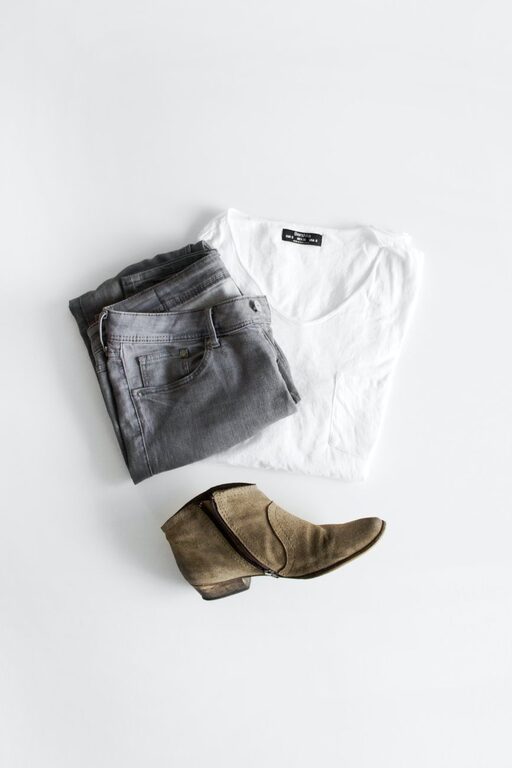
Building a basic capsule wardrobe is a great way to simplify your life, save time, and cultivate a personal style that works for you. A capsule wardrobe consists of a limited number of timeless, versatile pieces that can be mixed and matched for various occasions. Whether you’re new to this concept or looking to refresh your closet, this guide will walk you through the steps to create a capsule wardrobe that fits your lifestyle and taste.
What Is a Capsule Wardrobe?
A capsule wardrobe is a collection of essential clothing items that do not go out of style. These pieces typically include neutral colors and classic designs, allowing you to create many outfits with fewer clothes. The goal is quality over quantity — investing in items that will last and work well together.
Benefits of a Capsule Wardrobe
– Saves Time: Less decision fatigue when choosing outfits in the morning.
– Reduces Clutter: Keeps your closet organized and clean.
– Saves Money: Focus on buying fewer but better quality items.
– Eco-Friendly: Encourages mindful consumption and sustainability.
– Enhances Style: Builds a cohesive look that suits your personality.
Step 1: Assess Your Current Wardrobe
Before starting, evaluate what you already own.
– Sort your clothes: Separate items into keep, donate, or discard piles.
– Identify favorites: Note pieces you wear often and feel confident in.
– Look for gaps: Decide which essentials you’re missing.
This process helps you know what to keep and what to add to your capsule wardrobe.
Step 2: Define Your Style and Needs
Think about your lifestyle and fashion preferences.
– Consider your daily activities: Work, casual outings, exercise, formal events.
– Choose a color palette: Pick 3-4 neutral colors (black, white, gray, navy, beige) and 1-2 accent colors.
– Decide on your style vibe: Classic, casual, modern, or boho.
Having a clear style direction keeps your wardrobe cohesive and makes mixing pieces easier.
Step 3: Select Your Capsule Wardrobe Essentials
Here’s a basic checklist for a capsule wardrobe. Adjust quantities based on your lifestyle and climate.
Tops
– 3-4 solid t-shirts or basic tees
– 2-3 long-sleeve shirts or blouses
– 1-2 dress shirts or button-downs
– 1 lightweight sweater or cardigan
– 1 casual blouse or tunic
Bottoms
– 2-3 pairs of jeans in neutral washes
– 1-2 pairs of tailored pants or chinos
– 1 skirt or dress (optional based on preference)
Outerwear
– 1 denim or leather jacket
– 1 classic trench or coat for cooler weather
– 1 blazer for smart casual or work outfits
Dresses
– 1-2 versatile dresses that can dress up or down
Shoes
– 1 pair of comfortable sneakers or flats
– 1 pair of ankle boots
– 1 pair of dress shoes or heels
– Optional: sandals or loafers depending on season
Accessories
– Minimal jewelry (e.g., stud earrings, a watch)
– 1-2 scarves or belts
– 1 versatile handbag
Step 4: Focus on Quality Over Quantity
Choose well-made pieces that are durable and comfortable. Natural fabrics like cotton, wool, and linen tend to last longer and feel better against the skin. Avoid fast fashion tendencies by investing in timeless items instead of trendy ones.
Step 5: Plan Your Outfits
Once you have your essentials, start experimenting by mixing and matching:
– Pair a classic white tee with jeans and ankle boots for a casual look.
– Layer a blazer over a blouse with tailored pants for work.
– Dress up a basic dress with a scarf and heels for an evening event.
Creating outfit combinations beforehand can help you feel confident and avoid last-minute wardrobe stress.
Step 6: Maintain and Update Your Capsule Wardrobe
A capsule wardrobe isn’t static. Review it every season to:
– Remove worn-out or no longer fitting pieces.
– Add or swap items that better suit your current lifestyle or weather.
– Refresh your color palette with seasonal accent items.
Keeping your wardrobe curated ensures it continues to serve you well.
Additional Tips for Building Your Capsule Wardrobe
– Stick to your plan: Avoid impulse buys that don’t fit your color scheme or style.
– Use layering: This extends your wardrobe through different seasons.
– Be mindful of fit: Tailor clothes if necessary to achieve a polished look.
– Embrace simplicity: Minimalism is key; avoid overly complicated patterns or logos.
– Personalize: Add a few unique items that reflect your personality.
Conclusion
Building a basic capsule wardrobe takes some upfront effort but pays off with a more organized closet and easier outfit choices. By focusing on versatile, high-quality pieces that suit your style and needs, you can enjoy a functional wardrobe that simplifies daily dressing and reduces clutter. Start with your essentials, invest thoughtfully, and watch your personal style flourish with less stress.
Happy wardrobe building!