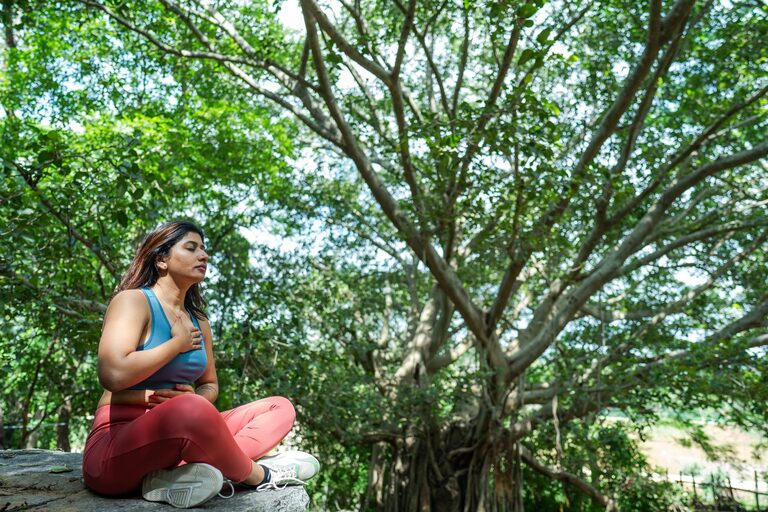

Mindfulness is a simple yet powerful practice that helps you stay present and fully engaged in the moment. It can reduce stress, improve focus, and enhance overall well-being. The great news is you don’t need special equipment or much time to practice mindfulness. Here are some easy ways to bring mindfulness into your daily routine.
What Is Mindfulness?
Mindfulness means paying attention on purpose to the present moment without judgment. Instead of getting caught up in worries about the past or future, you focus on what’s happening right now—your thoughts, feelings, body sensations, and surroundings.
By practicing mindfulness regularly, you can train your mind to be calmer and more focused. This can lead to better emotional balance and a greater sense of peace.
Why Practice Mindfulness Daily?
In our busy lives, it’s easy to feel overwhelmed or distracted. Mindfulness helps by encouraging you to slow down and notice what’s happening around and within you. This can:
– Reduce stress and anxiety
– Improve concentration and productivity
– Increase self-awareness and emotional resilience
– Enhance relationships by promoting active listening and empathy
Even a few minutes a day can make a difference.
Simple Mindfulness Practices for Daily Life
1. Mindful Breathing
One of the easiest mindfulness exercises is to focus on your breath.
– Find a comfortable place to sit or stand.
– Take slow, deep breaths in through your nose and out through your mouth.
– Pay attention to the sensation of the air entering and leaving your body.
– If your mind wanders, gently bring your focus back to your breath.
Try this for 1-5 minutes several times a day, especially when you feel stressed.
2. Body Scan
The body scan helps you tune into physical sensations and release tension.
– Sit or lie down comfortably.
– Close your eyes if you like.
– Slowly bring your attention to different parts of your body, starting at your toes and moving up to your head.
– Notice any tension, warmth, or tingling.
– Don’t try to change anything; just observe.
Practice this for 5-10 minutes to reconnect with your body.
3. Mindful Walking
Walking can become a moving meditation when done mindfully.
– Walk at a natural pace and focus on the sensation of your feet touching the ground.
– Notice the movement of your legs and the rhythm of your steps.
– Pay attention to the sights, sounds, and smells around you.
– If your mind drifts, gently bring it back to the act of walking.
You can practice mindful walking during a short break or on your daily errands.
4. Mindful Eating
Eating mindfully helps you enjoy your food and improve digestion.
– Eat slowly and without distractions like TV or phones.
– Notice the colors, smells, and textures of your food.
– Take small bites and chew thoroughly.
– Pay attention to flavors and how the food makes you feel.
– Recognize when you start to feel full.
This practice helps foster a healthier relationship with food.
5. Daily Gratitude Moment
Gratitude encourages positive thinking and mindfulness.
– Each day, take a minute to reflect on three things you are grateful for.
– These can be simple, like a sunny day or a kind word from a friend.
– Focus on the feelings these thoughts create in your body.
Writing them down can enhance this practice.
Tips for Building a Mindfulness Routine
– Start small: Begin with just a few minutes each day and gradually increase.
– Be consistent: Try to practice at the same times, such as morning and evening.
– Use reminders: Set alarms or notes to help you remember your practice.
– Be patient: Mindfulness is a skill that improves with regular practice.
– Avoid judgment: It’s normal for your mind to wander; gently bring it back without criticism.
Mindfulness Tools and Resources
If you want additional support, there are many resources available:
– Mindfulness apps: Apps like Headspace or Calm offer guided meditations and reminders.
– Books: Titles such as “Wherever You Go, There You Are” by Jon Kabat-Zinn provide great insights.
– Classes: Local yoga studios or community centers may offer mindfulness workshops.
– Online videos: YouTube has free guided mindfulness sessions for beginners.
Conclusion
Mindfulness is an accessible and effective way to improve your daily life. Simple practices like mindful breathing, body scans, and mindful eating can help you stay grounded, reduce stress, and build emotional resilience. The key is to make mindfulness a regular habit, even if it’s just for a few minutes a day. Start small, be gentle with yourself, and enjoy the journey toward greater awareness and peace.